5 easy ways to scale customer onboarding

•
•
Summarize blog with






In this special session of Propel23, Jan Young, Principal Consultant, The Success League, conducted a hands-on workshop on five ways companies can scale and optimize their customer onboarding program.
We highly recommend checking out the video.
Here’s a quick roundup of the exercises in the session.
The 5-step D-I-M-A-P approach to scale your onboarding program
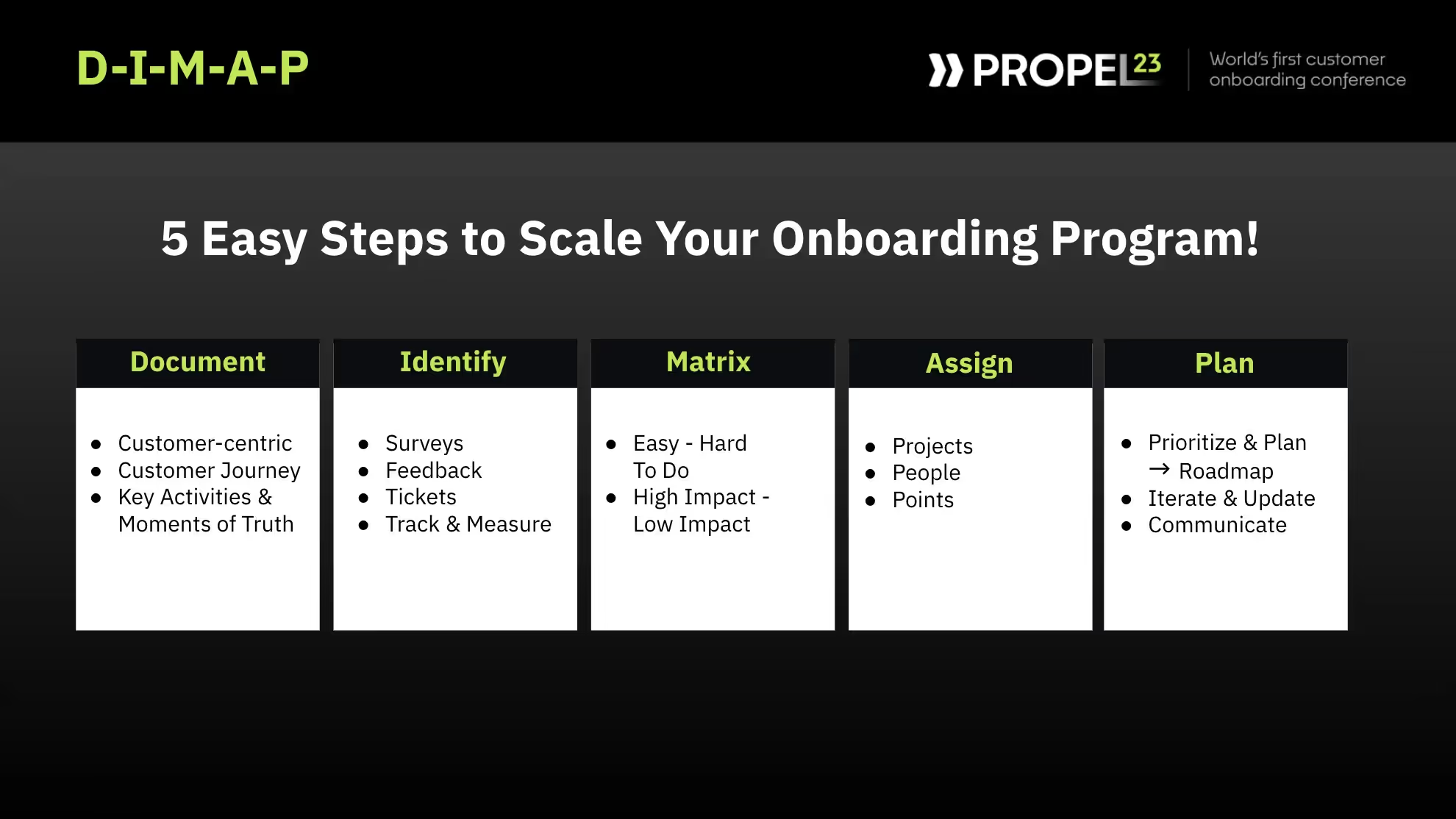
Step 1: Document
The customer’s always thinking: What’s in it for me?
Start by documenting everything that your customer experiences as part of their journey with you. List out exactly what happens and what your customer does/receives at each stage of their journey.
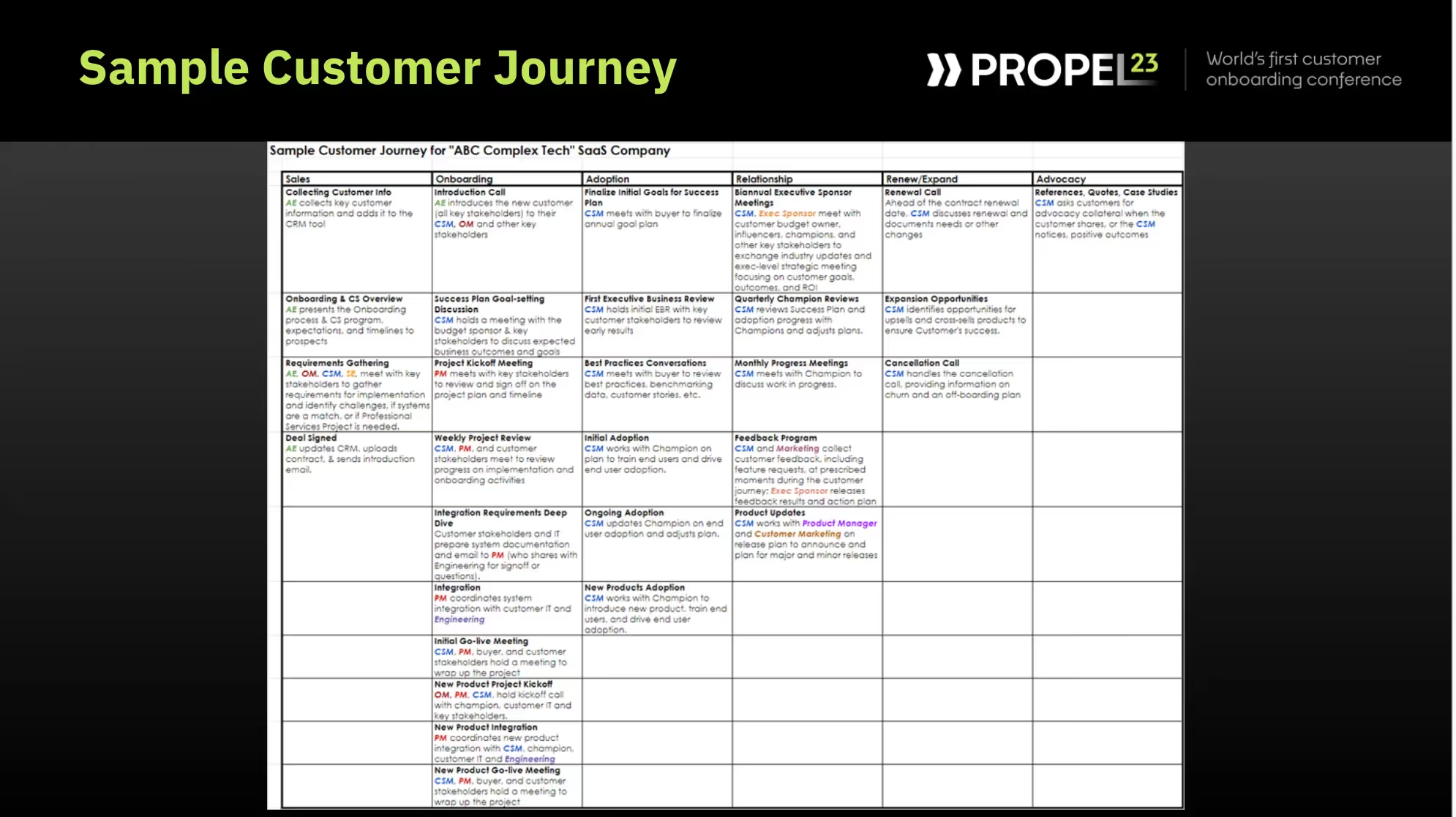
Things to note:
- Document the current state of your current onboarding journey, i.e. what your customer actually experiences, not what you’d like them to.
- Consider the pre-onboarding and post-onboarding experiences of the customer. This is because what your customer experiences before onboarding impacts onboarding. Similarly, what they do/feel in the onboarding stage affects what happens later – adoption, expansion, renewals, etc.
Step 2: Identify
Look at the customer journey documented in Step 1. Think about what you can improve. Analyze surveys, feedback forms, support tickets, and more to identify
- Where customers and your team struggle and slow down
- How you’re measuring and tracking metrics like Customer Effort Score (CES), or Customer Satisfaction ratings (CSAT), number of onboarding-related support tickets, types of support requests, time taken for key tasks (for customers and your internal team), etc
- Which steps are not automated (both for you and your customer)
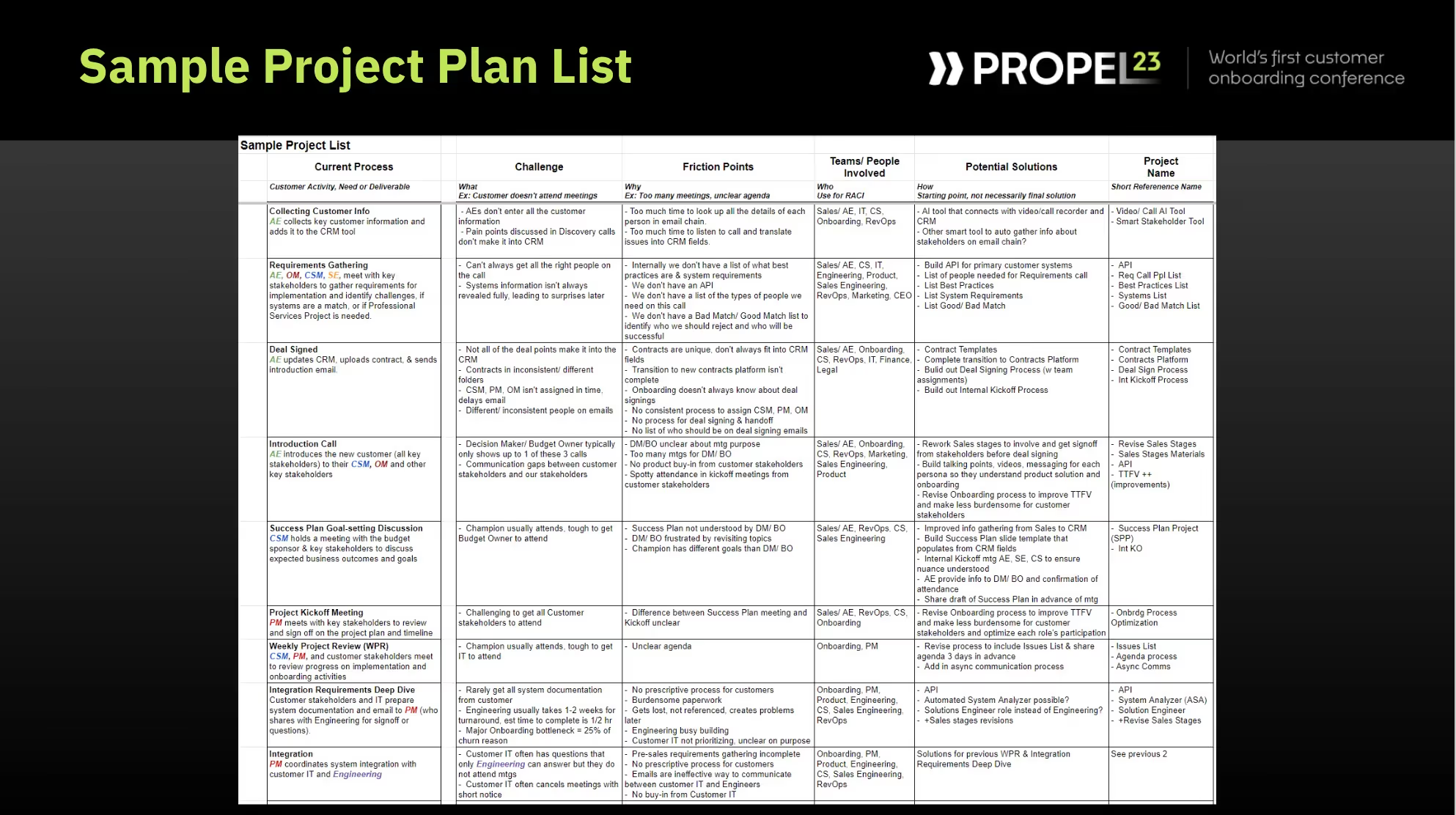
Once you’ve identified the processes to improve, create a project list with
- The challenge associated with each project
- Friction points in the process
- People involved or affected by the process/challenge
- Potential ideas and solutions
- A codename for each project
Things to note:
- Keep an open mind and avoid the temptation to judge the viability of the steps you’ve identified at this stage. Focus on listing project ideas.
- Once you’ve identified areas of improvement, also think about establishing benchmarks so you can track and measure what you're improving.
Step 3: Matrix
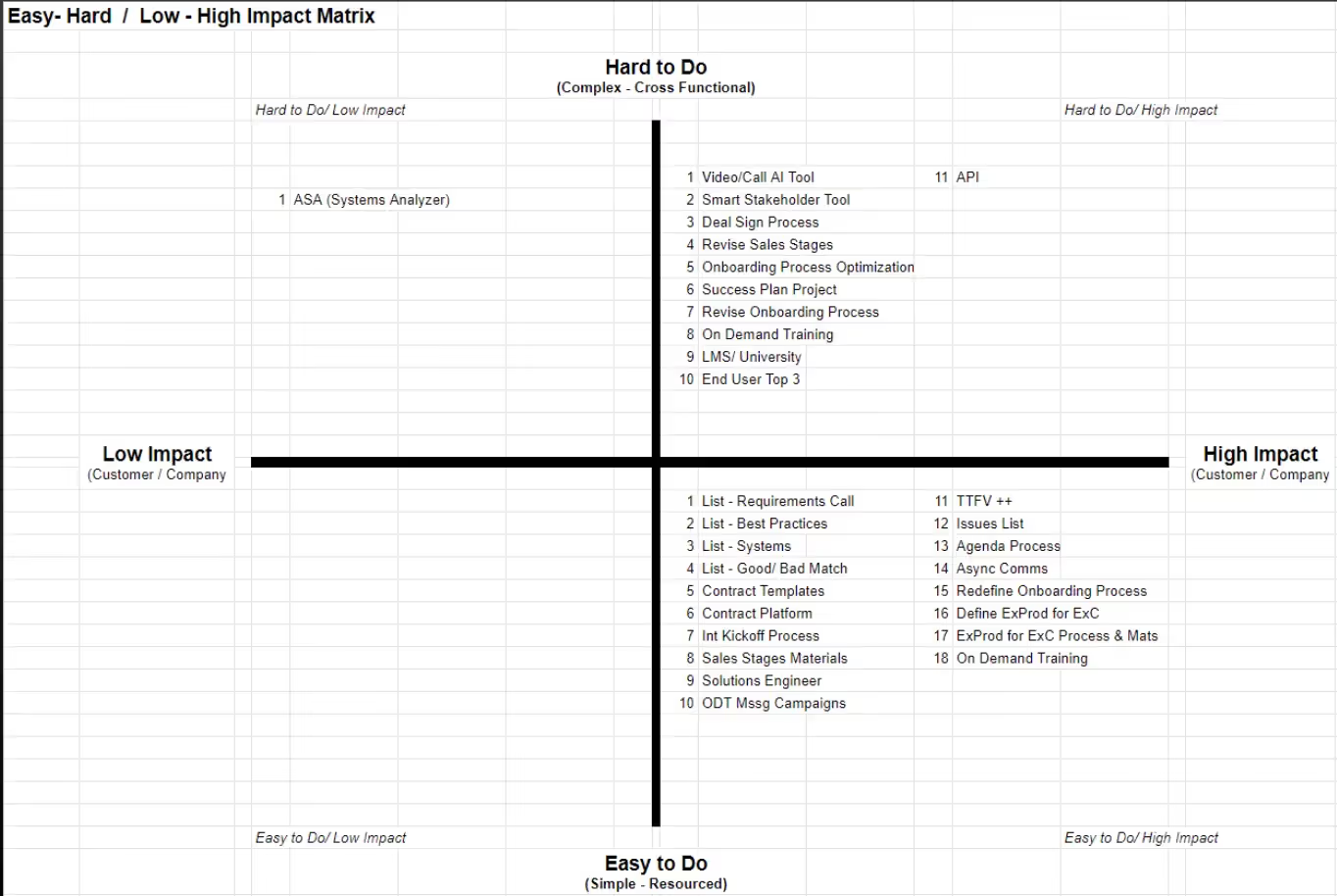
Take each item from the list created in Step 3, and place it into Hard-Easy/ High-Low matrix shown below.
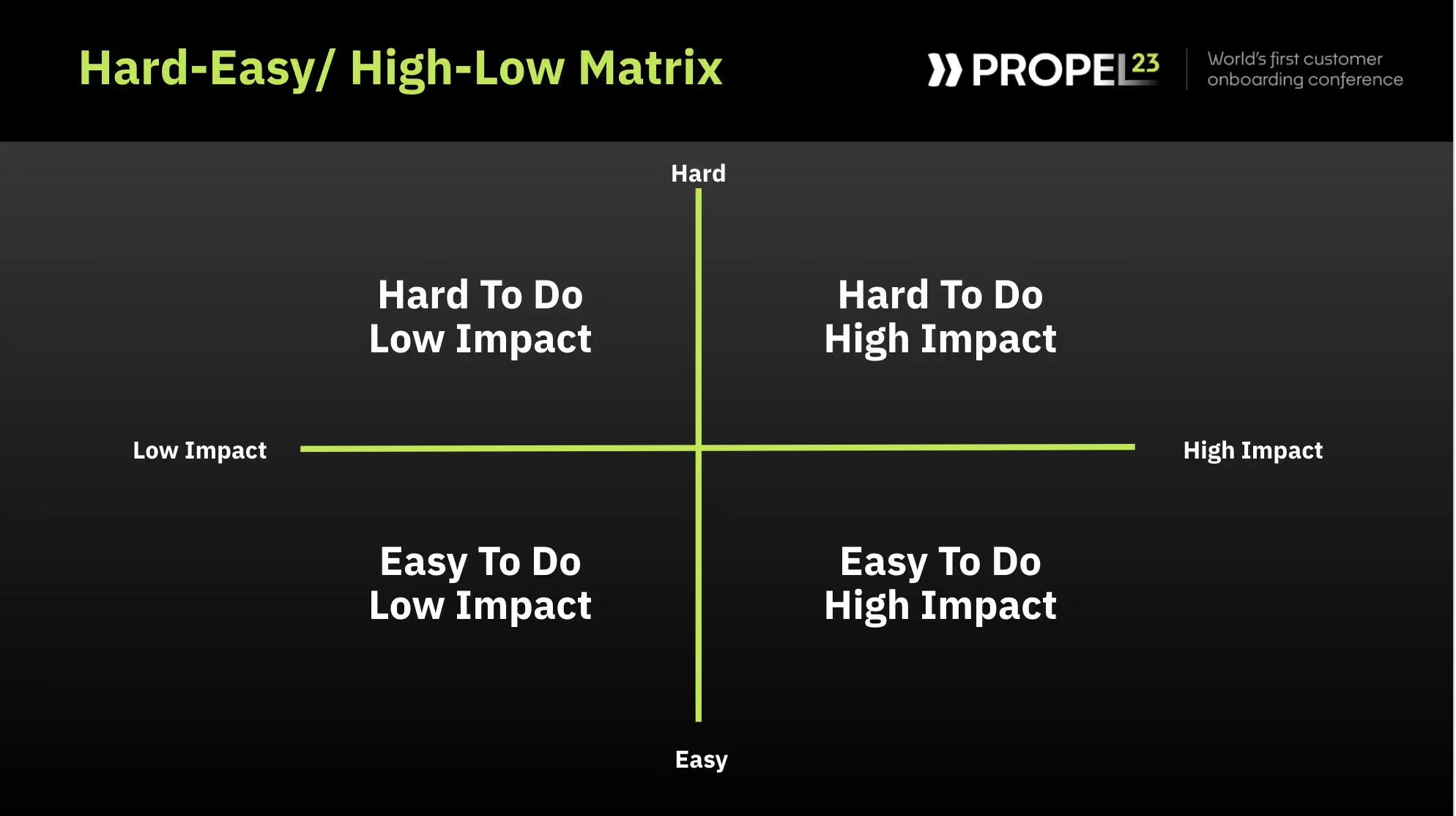
When you think about impact, think about the impact on the customer as well as the impact on your company and team.
Here’s what this impact could look like:
- For customers: Churn, retention, adoption, impact on revenues/resources/time spent, etc.
- For you/your team: Your team’s productivity, saved time, improved productivity, etc.
Step 4: Assign
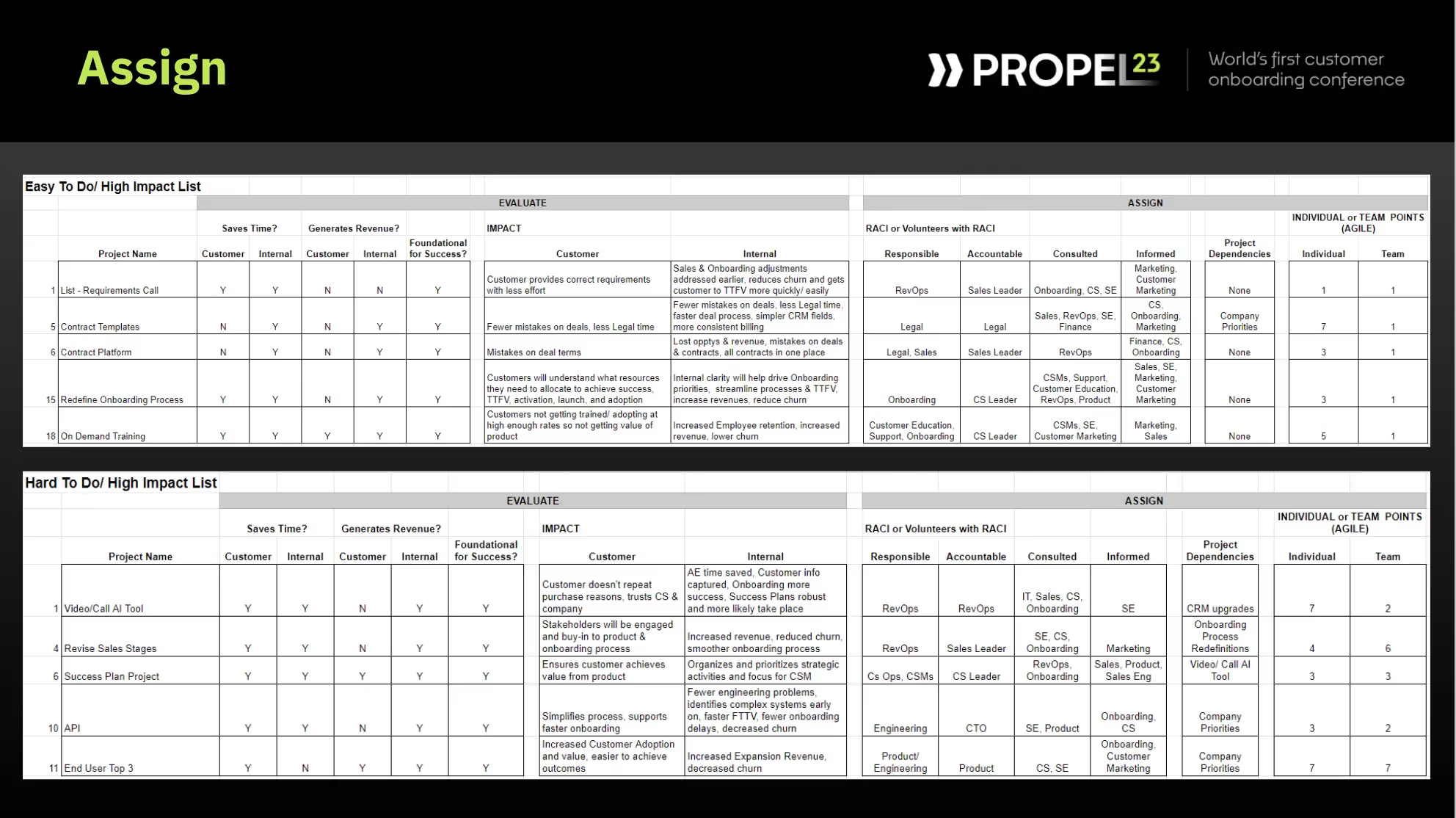
Take the projects in the Easy - High Impact quadrant and put them into a new list. Before you assign people and points, add a simple checkbox criterion for each step. Here are a few sample criteria questions:
- Does it save your customer time?
- Does it save your internal team time?
- Does it help your customer or you with revenue?
- Is it foundational to their success?
Assign people to these projects. The RACI (Responsible-Accountable-Consulted-Informed) framework to do this.
Next, assign points to the tasks. This is a great place to use Agile Methodology and assign points to the projects.
When it comes to assigning points, an estimate is a good start; estimate now, adjust later, and iterate often.
Repeat this process for the projects in the Hard-High Impact quadrant.
Step 5: Plan
After you've assigned points and people to the projects, you’re ready to prioritize and build your roadmap. Here are a few questions to ask yourself:
- Which projects have the most impact on your customers and your business objectives?
- Do these projects use the same resources? Would it require someone to work overtime, or be unavailable for other projects, or at certain times?
- Do these projects have dependencies?
Based on this, assign and bucket the projects into your business quarters. While doing so, also consider dependencies such as the availability of resources, planned time off, other projects, launches, etc.
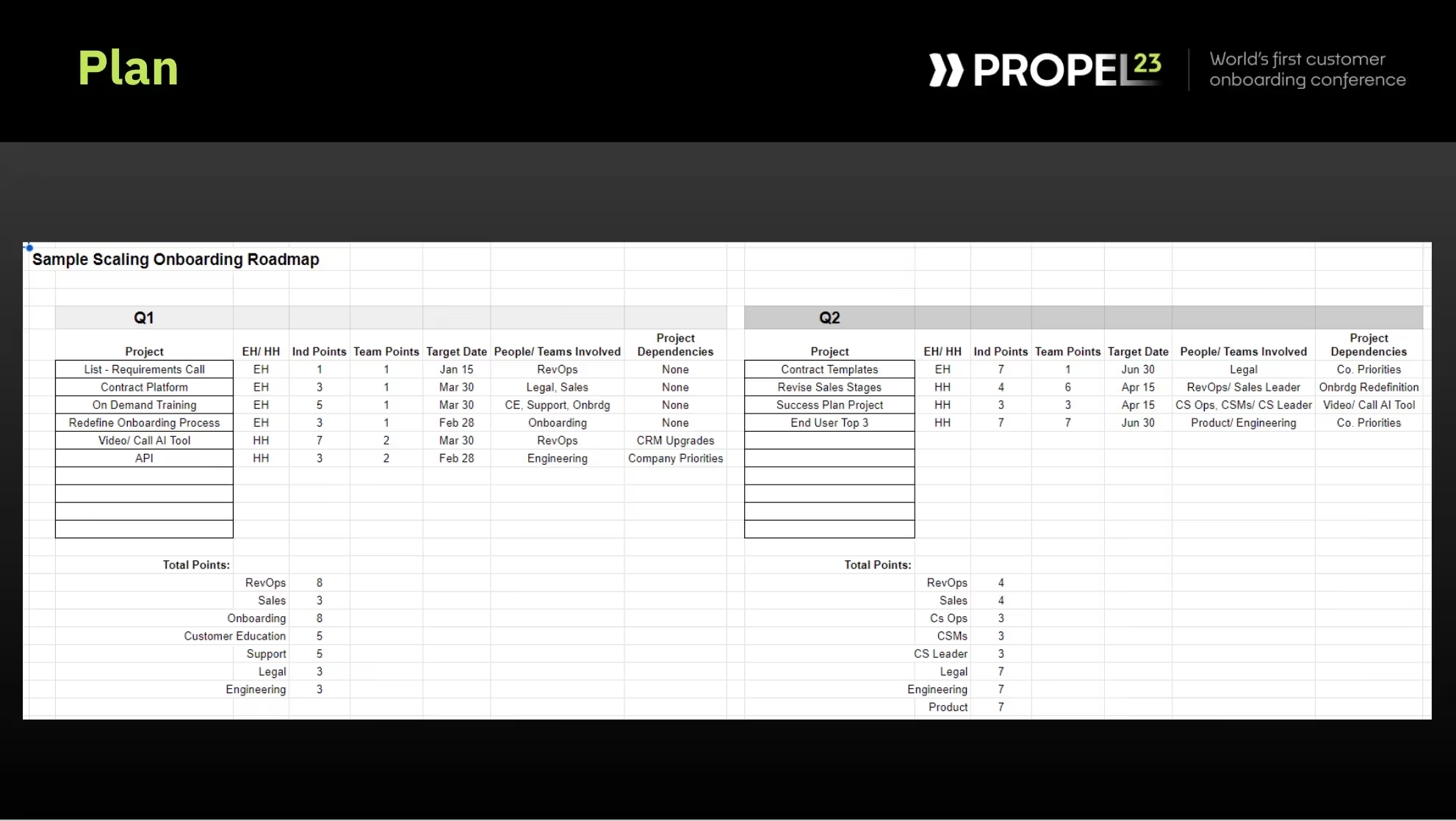
Once you have your roadmap ready, set up a way to communicate with all stakeholders.
Your communication plan should include ways to ensure consistent and ongoing updates to update on progress, changes, blockers, and more.
At the end of this 5-step DIMAP exercise, you will have a comprehensive plan that will help you
- Improve and update your customer onboarding journey
- Set clear expectations – internally and with your customers
Table of Contents

Regsiter for the live webinar


Great consultants didn't join your team to spend Fridays writing documentation.
Table of contents
18 of Forbes Cloud 100 chose Rocketlane. The best PS teams aren't waiting around.
FAQs













Copyright © 2026 Rocketlane Corp. All rights reserved.



















.webp)