How to improve customer ROI through onboarding

•
•
Summarize blog with






At Propel23, Maranda Dziekonski, Senior VP - Customer Success at HourWork, shared her learnings from building a value cycle to demonstrate ROI through customer onboarding.
In this session, Maranda spoke about:
- The three key components of customer onboarding
- Models and frameworks for getting customer buy-in, change management, and value delivery
- Weaving in ROI throughout the customer lifecycle
- Building the value cycle for ROI in customer onboarding with a real-life example, and more.
This post provides key takeaways from the session.
The importance of focusing on ROI during customer onboarding
While a focus on ROI isn’t new, it’s become more important in the current business environment.
With companies having to heavily scrutinize their spend, it’s more critical now than ever to weave in ROI throughout the entirety of the customer lifecycle – starting with onboarding, arguably one of the most important parts of the customer journey.
The three mission-critical areas of customer onboarding
To make customer onboarding truly effective, you need to focus on:
1. Getting customer buy-in
Getting customer buy-in starts with a focus on buy-in right at the marketing stage and continues through the journey – with onboarding playing a key role.
The key to getting buy-in lies in:
- Surfacing problem statements and motivations (even before onboarding begins)
- Building trust
- Meeting customers where they are: Figure out what customers need within your tool/services so they can buy into your solution and begin trusting you to impact them.
This, of course, is never a once-and-done scenario. You need to continue to focus on getting buy-in and building trust as the relationship grows and evolves.
2. Change management
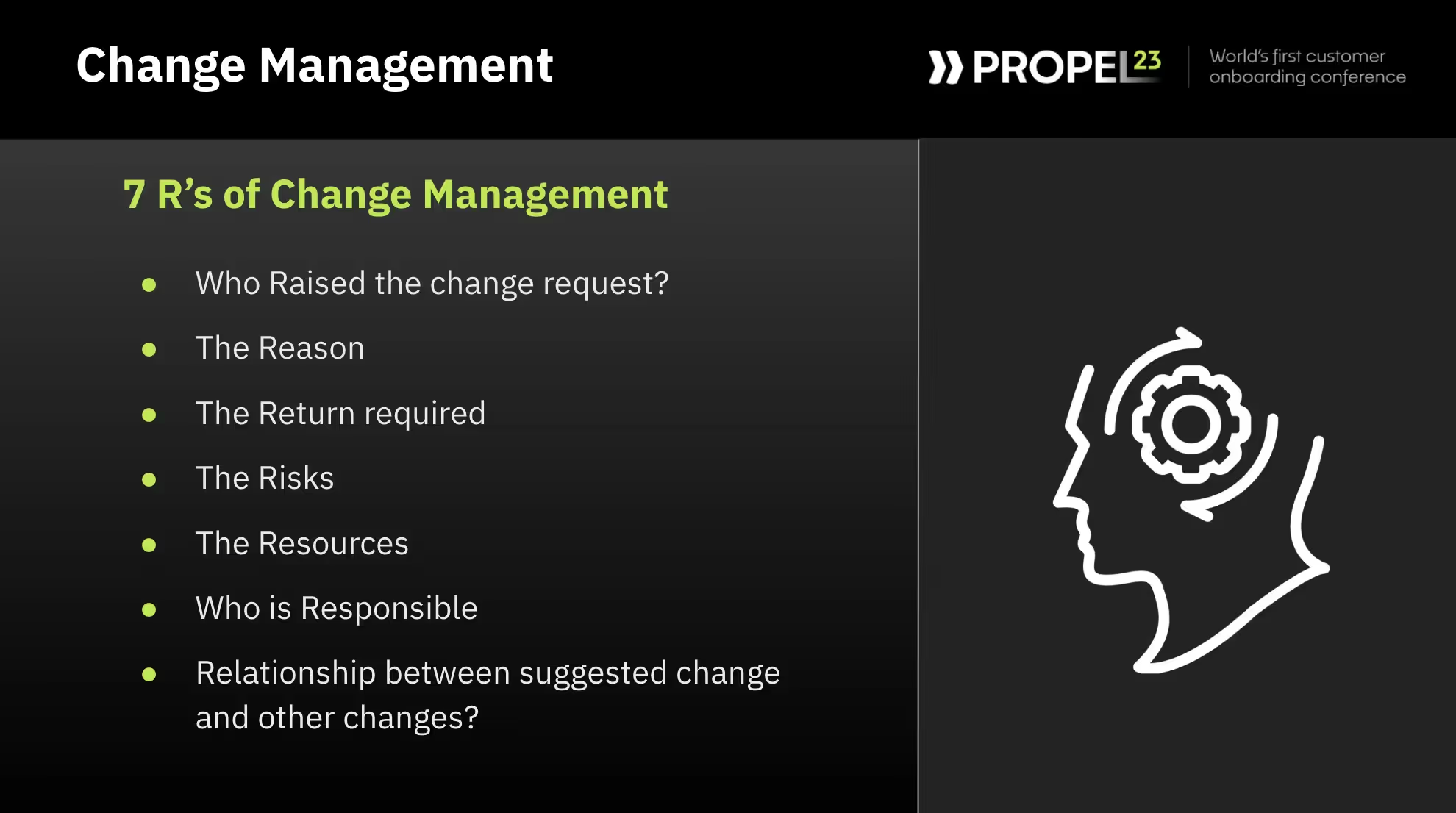
While multiple frameworks can help you with change management for customer onboarding, Maranda recommends the 7Rs approach.
1. Who raised the change request?
Identify the person who raised the need for this change. They are going to be potentially your advocate and the person who can help you navigate any internal issues.
2. What is the reason for the change?
Start with why. When you're thinking about change management, get buy-in by focusing on the customer’s ‘why’ to understand the problem statement you need to focus on.
3. What is the return required?
Identify the outcome of the change that you are trying to implement and who it will impact.
4. What are the risks?
Identify risks early, surface them with your customer, and discuss how you can mitigate those risks.
5. What resources will you need?
Understand the resources you’ll need to move the project. This will include understanding how much your team will need to do, and the ongoing investment to keep the customer lifecycle going.
6. Who is responsible?
If you don’t have one responsible party for a change management exercise, you effectively have no one responsible. Focus on identifying one responsible party for change management from the customer end – who will be your partner as you go through the customer onboarding journey.
The RACI (Responsible, Accountable, Consulted, Informed) model is a great way to approach this aspect.
7. What is the relationship between suggested change and other changes?
Ensure that you identify other changes that may need to be made within the customer organization – training, staffing, or other related tasks.
3. Value delivery
Ensure that you focus on creating value while also focusing on buy-in and change management. To ensure overall longevity within the customer base, you need to:
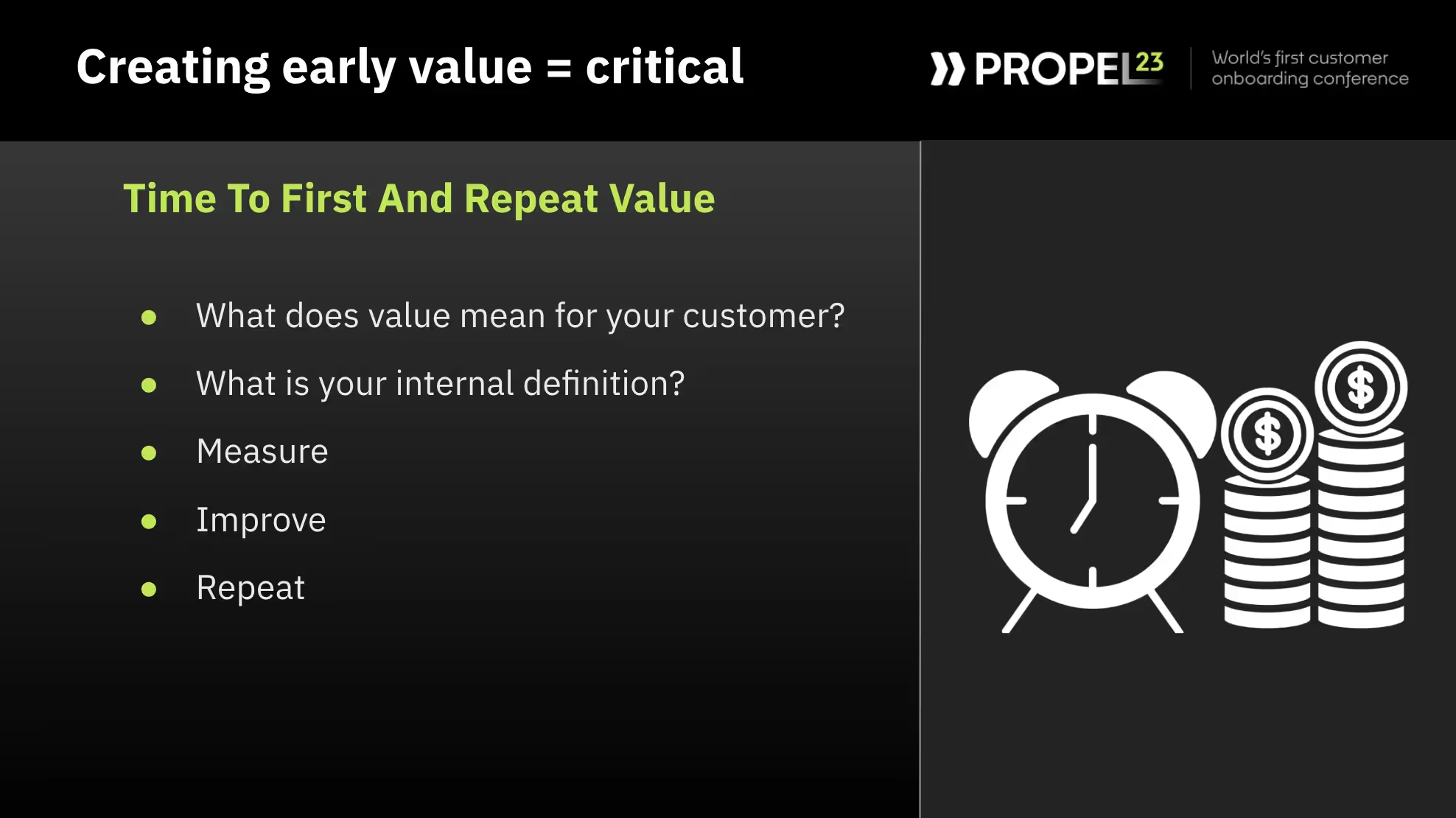
- Get customers to value quickly: Involve more than just the onboarding/implementation team to identify ways to minimize time-to-first-value (TTFV)
- Offer value repeatedly: You can't just have value once during onboarding, and move on. You need to ensure that you provide repeat value. Setting up ‘value cycles’ are critical to ensuring repeat value for customers.
- Talk to the customer about the value they’ve achieved: Ensure that TTFV doesn’t remain an internal measurement. Make sure that how you define TTFV is closely linked to how customers define value.
- Get your customers to talk internally about the value you’ve helped them achieve: Focus on getting clients to acknowledge and share the value they’re received.
TL;DR:
Focus on delivering value quickly and repeatedly.
Value is effectively valueless if the customer does not know and acknowledge they've achieved it.
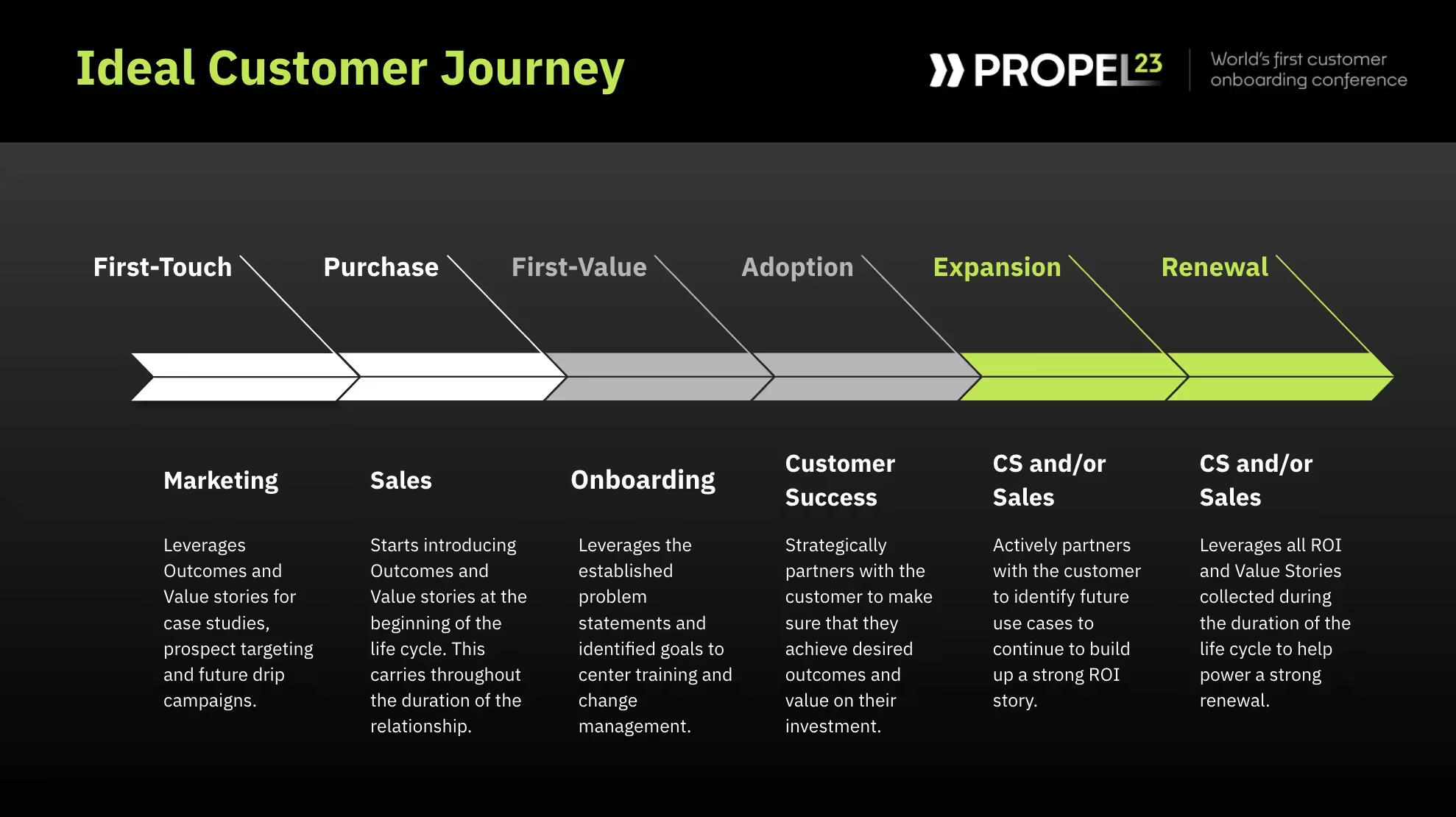
Weaving in ROI throughout the customer lifecycle
The key to an ROI-focused approach is strategically partnering with different departments throughout the customer cycle – to ensure that ROI conversations are weaved into every part of the journey.
The value cycle for ROI during customer onboarding
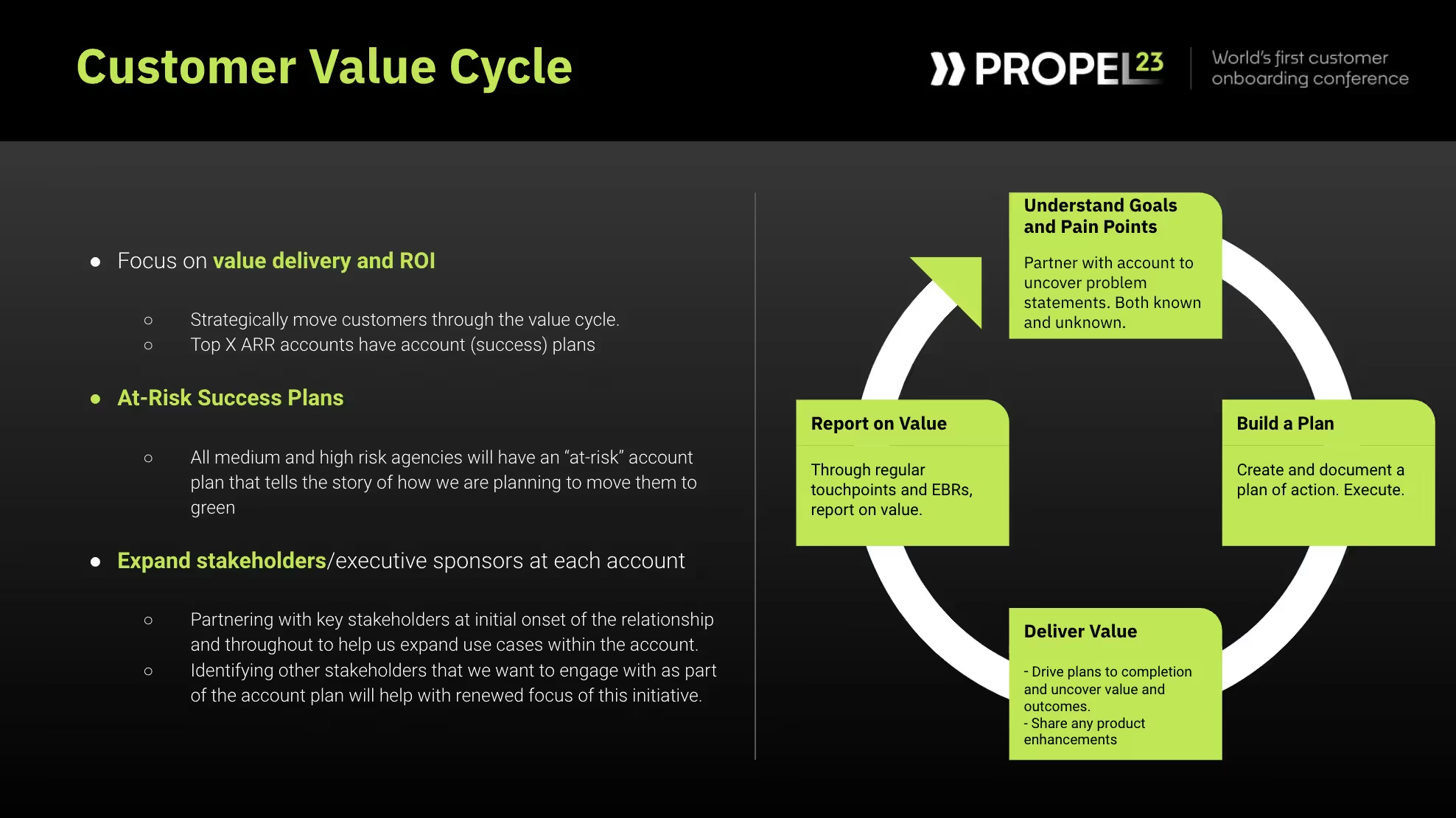
The ROI approach to customer onboarding consists of a repeating cycle of these five steps:
- Understand goals and pain points: Partner with the sales or account management team to uncover problem statements – known and unknown.
- Build a plan: Build a plan that focuses on the what, how, and when of delivering value
- Deliver value: Drive plans to uncover value and outcomes. This step also includes sharing any product enhancements.
- Report on value: Use regular touchpoints and executive business reviews (EBRs) with the customer to report the value delivered.
- Repeat
Here are a few things to keep in mind in the value cycle approach:
- Show your focus on value delivery: Ensure that your top ARR accounts have account (success) plans.
- Prioritize risk management: Create at-risk plans for medium and high-risk customers to re-align off-track customers with the customer value cycle.
- Expand stakeholders or executive sponsors for each account: Identify other stakeholders at the customer end to unlock and provide further value to the organization.
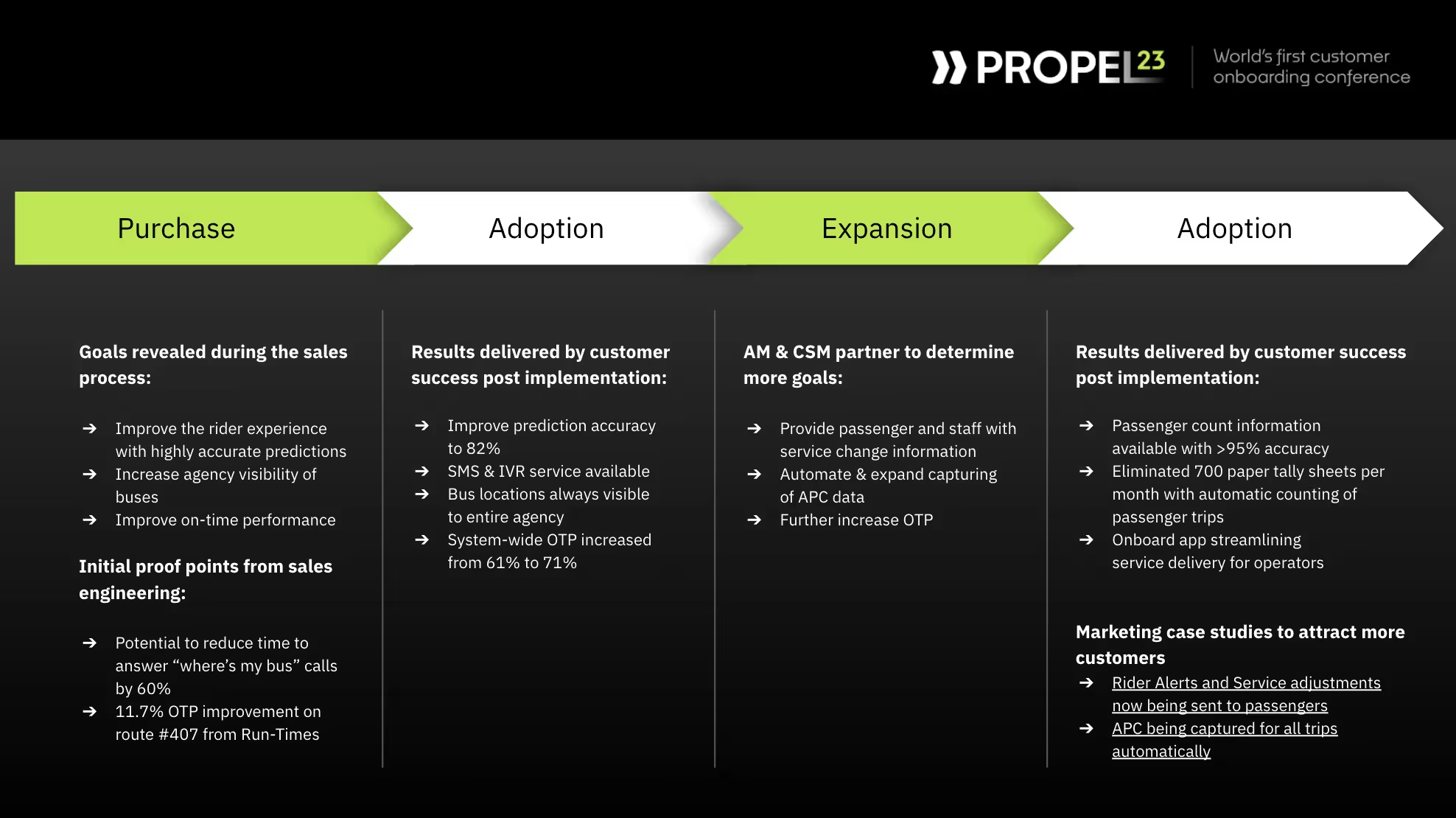
Maranda also shared an example of how her team used different stages of the customer lifecycle to demonstrate ROI and value to customers.
Further reading
- Value delivery on your mind? See how value delivery is a game changer for SaaS businesses.
- Looking for expert insights into value delivery models? We have a Launch Station episode on creating wins with the First Value Delivery framework.
- Get a headstart on showcasing ROI during customer onboarding. Learn how you can showcase value to customers right from the very beginning.
Table of Contents

Regsiter for the live webinar


Great consultants didn't join your team to spend Fridays writing documentation.
Table of contents
18 of Forbes Cloud 100 chose Rocketlane. The best PS teams aren't waiting around.
FAQs













Copyright © 2026 Rocketlane Corp. All rights reserved.


















.webp)